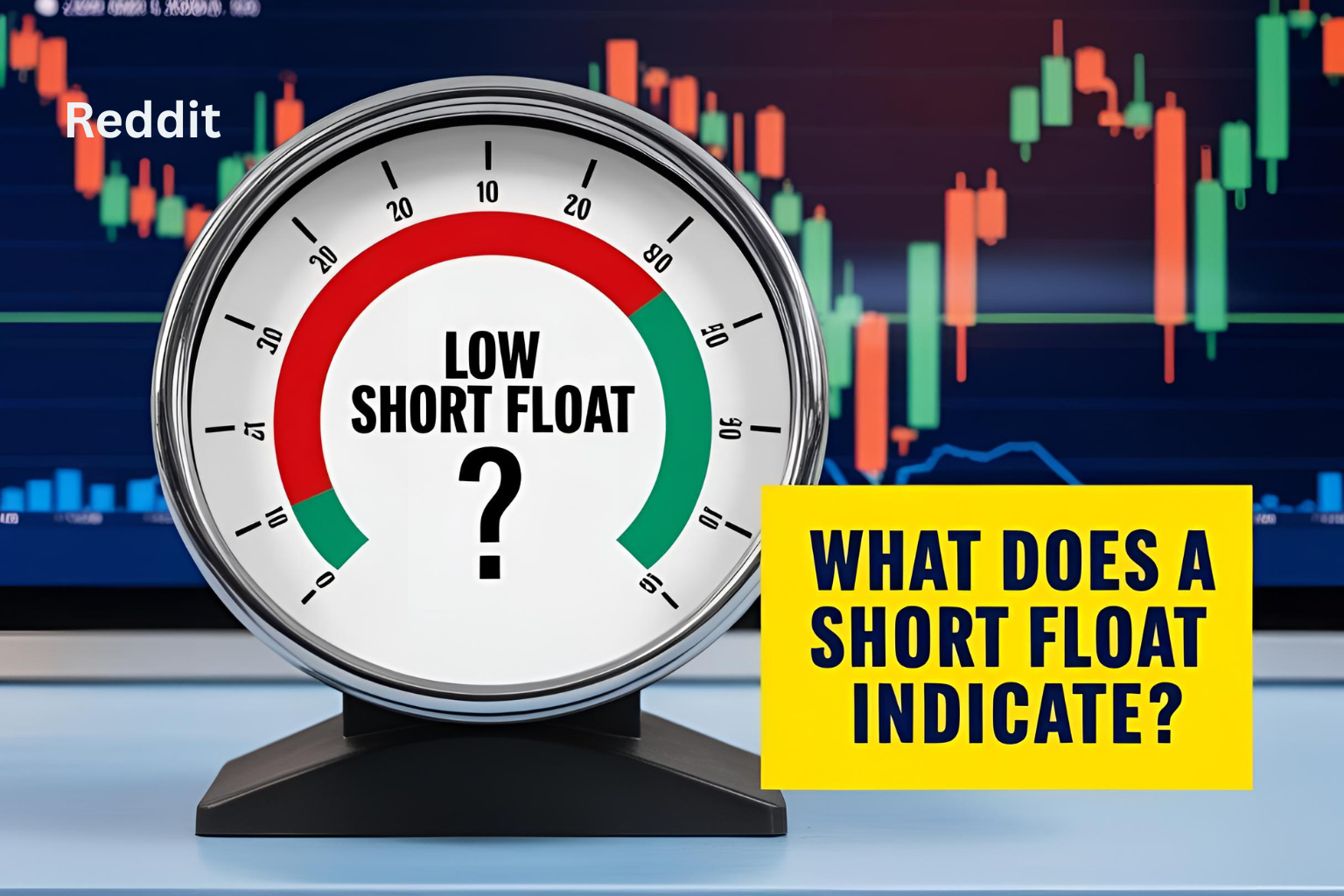
While high short float stocks often steal the spotlight for their volatility and short squeeze potential, low short float is equally important—especially for traders focused on stability, long-term investing, or sentiment analysis. So, what does a low short float indicate, and how should you interpret it?
What Is Considered a Low Short Float?
A short float below 5% is generally considered low. This means that only a small percentage of the stock’s publicly traded float is being shorted, indicating very little bearish sentiment among traders and institutions.
What Low Short Float Tells You
- Bullish Market Sentiment
A low short float often signals that most traders and investors are confident in the stock’s fundamentals or outlook. - Reduced Short-Term Volatility
Without a high short interest, the risk of short squeezes or rapid moves caused by forced covering is minimal. - Institutional Confidence
Stocks with low short float often have high institutional ownership, strong fundamentals, and fewer speculative bets against them.
Examples of Stocks with Low Short Float
| Ticker | Short Float | Notes |
|---|---|---|
| AAPL | ~0.6% | Strong fundamentals, stable long-term growth |
| MSFT | ~0.8% | High institutional ownership, low volatility |
| JNJ | ~1.2% | Defensive stock with consistent performance |
Source: Finviz / Yahoo Finance (as of May 2025)
Advantages of Trading or Investing in Low Short Float Stocks
- Lower risk of manipulation or squeeze-induced volatility
- Often better for long-term holdings
- Tend to attract larger institutional flows
- Suitable for conservative or income-focused strategies
Limitations to Consider
- Less trading excitement for momentum traders
- Less responsive to short-term catalysts
- Lower chance of explosive breakouts driven by covering
In short, these stocks are more stable but less speculative.
When Low Short Float Is a Red Flag
In rare cases, a low short float might mean:
- No one is shorting a fundamentally weak stock, which could imply traders aren’t paying attention.
- The float is very low overall, making even a small short position impactful (low float ≠ low risk).
FAQs
Is a low short float always bullish?
Not always. It typically means there’s less bearish sentiment, but that doesn’t guarantee upside.
Do dividend stocks usually have low short float?
Yes. Many dividend-paying, defensive stocks are less attractive to short-sellers.
Can a stock go down even with a low short float?
Absolutely. Stock prices depend on many factors, including earnings, news, and market trends—not just float.
Should I avoid low short float stocks as a trader?
Only if you’re seeking volatility or momentum trades. For stability and long-term growth, they’re ideal.
Where can I filter for low short float stocks?
Use Finviz screener: set short float < 5% to find conservative picks.